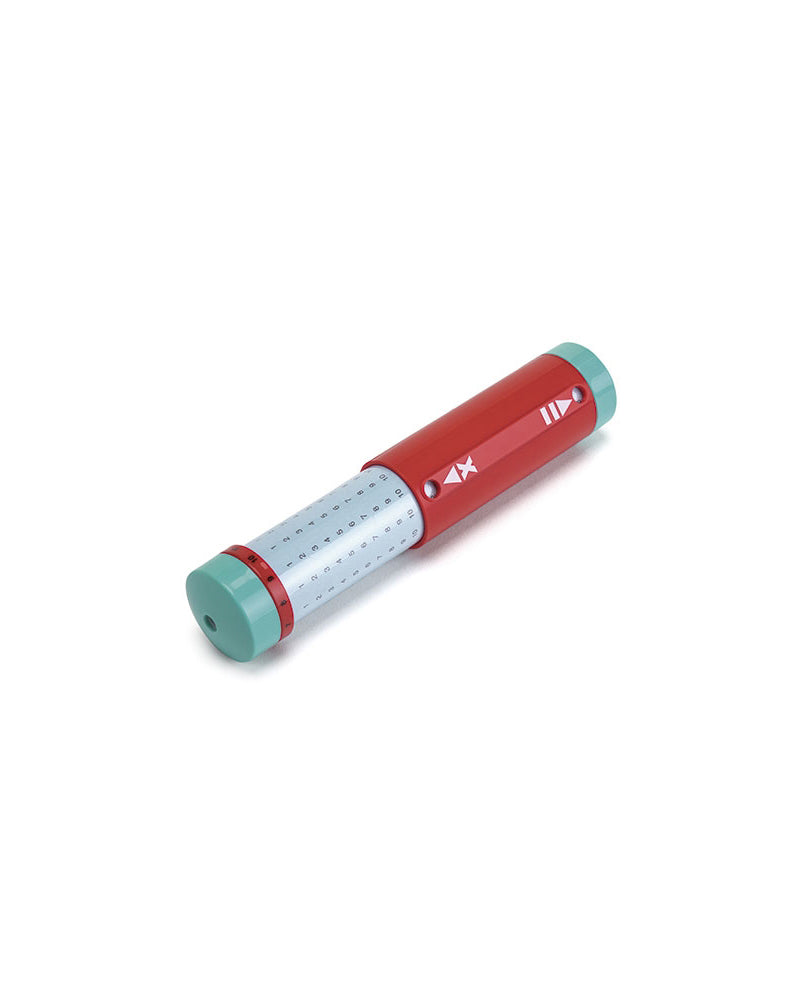
Learning mathematics is often perceived as a challenge, but it shouldn't be, especially for the youngest children. In Morocco, where education and academic success (qraya) are at the center of family concerns, introducing the concepts of mathematics and counting (hssab) in an early and playful way is a real asset. The Math & Counting collection has been specially designed to transform the approach to numbers into a joyful and interactive moment of play. No more tedious learning by heart; make way for manipulation, observation, and the pleasure of understanding how the world of numbers works.
From a very young age, children are naturally curious. Using physical supports like wooden abacuses, inset puzzles, or stacking blocks allows them to give concrete meaning to quantities. This is the very essence of Montessori pedagogy: "help me to do it myself". By touching a block, moving a bead, or associating a magnetic number with an image, the child's brain records information kinesthetically. This method develops not only mathematical logic but also fine motor skills, concentration, and problem-solving, which are essential skills for primary school.
Wlidaty has selected brands recognized for their educational quality and the durability of their materials, often made of certified wood or safe plastics. Available for all budgets in dirhams (MAD), these educational toys accompany your child from the discovery of the number "1" at around 18 months, until learning multiplication tables at around 6 or 7 years old. It is a smart investment to stock the playroom or bedroom, offering hours of constructive fun away from the passivity of screens.
Types of mathematical games available
Our range covers all stages of mathematics learning, adapted to the age and pace of each child:
-
Inset Puzzles (Numbers): For toddlers (from 18 months), associating the shape of the number with its slot, often with animal drawings to help with counting.
-
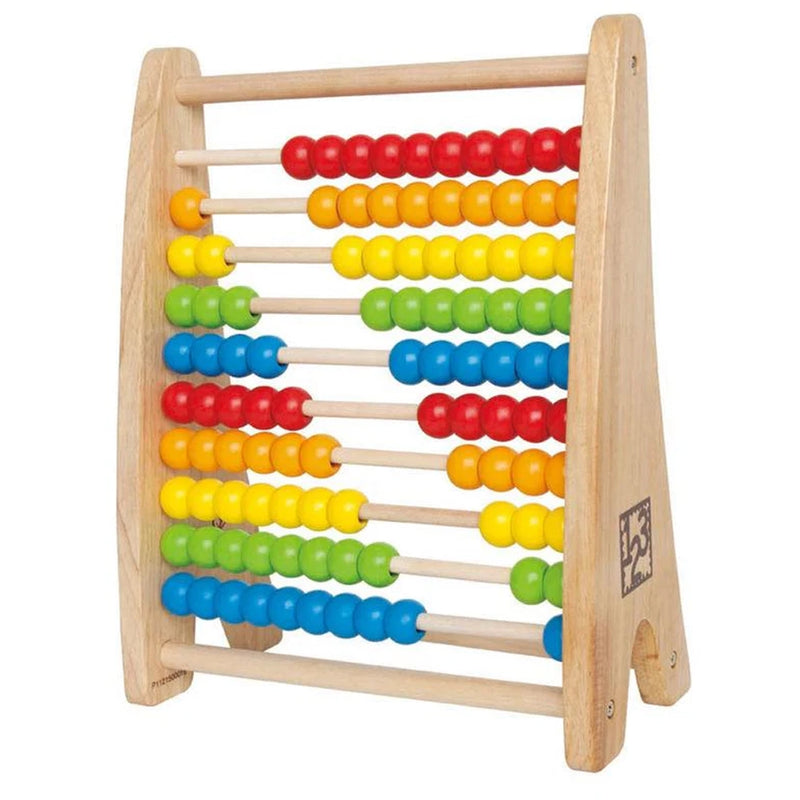
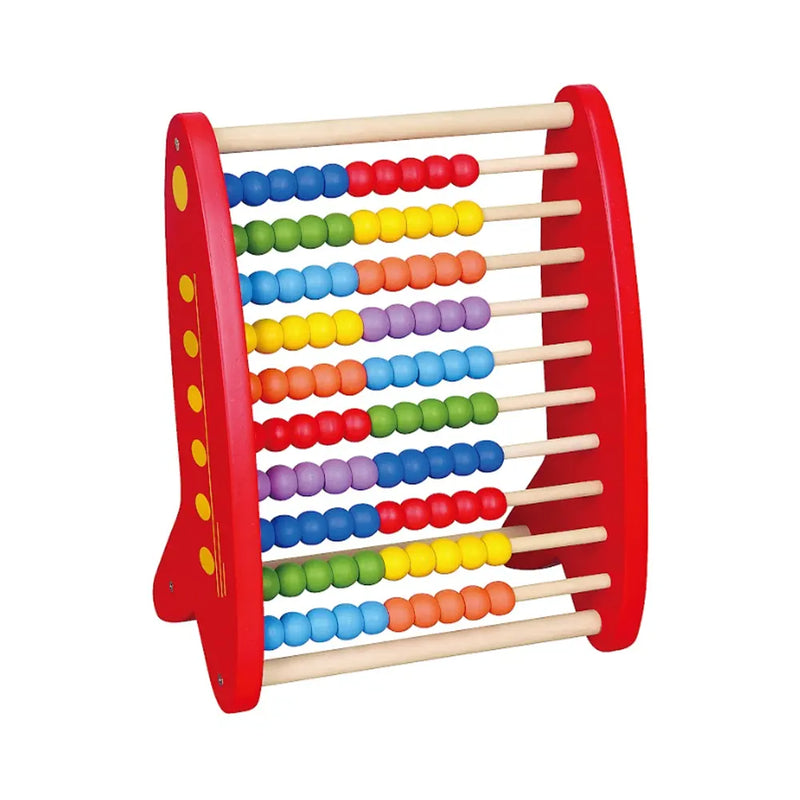
Abacuses: The traditional tool par excellence, revisited with bright colors, to visualize additions and subtractions.
-
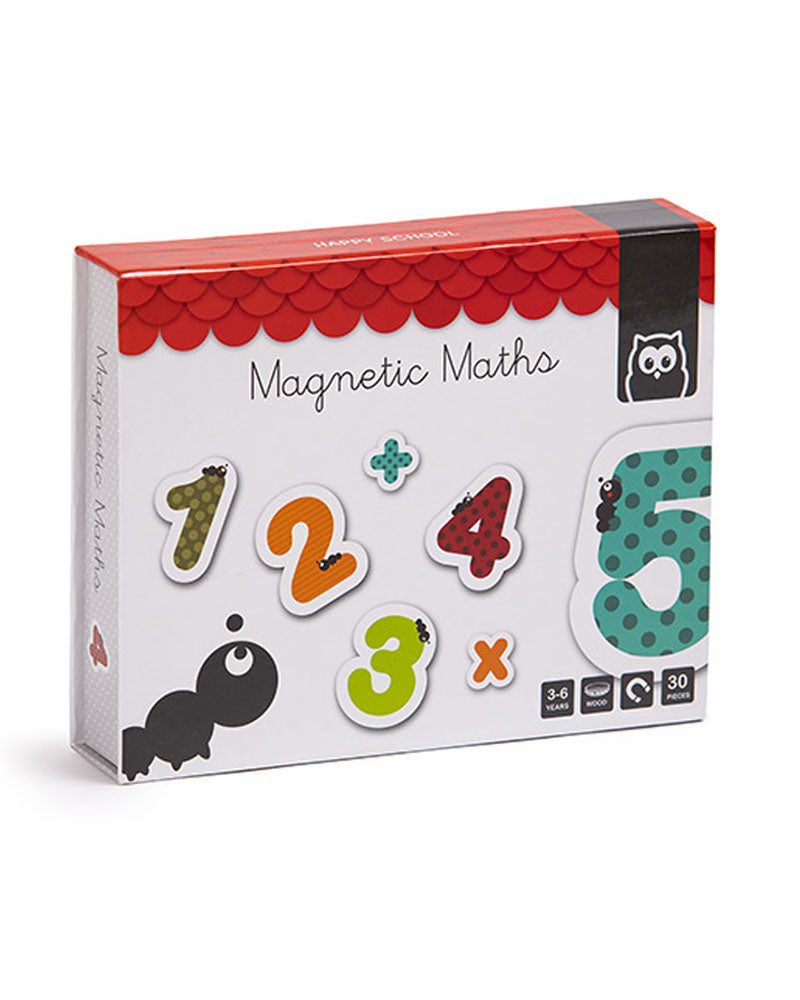
Magnetic Games: Boards and boxes containing magnetic numbers to practice writing numerical sequences or small operations on the fridge.
-
Logical Building Blocks: Pieces of different lengths or rods to understand fractions and proportions visually.
-
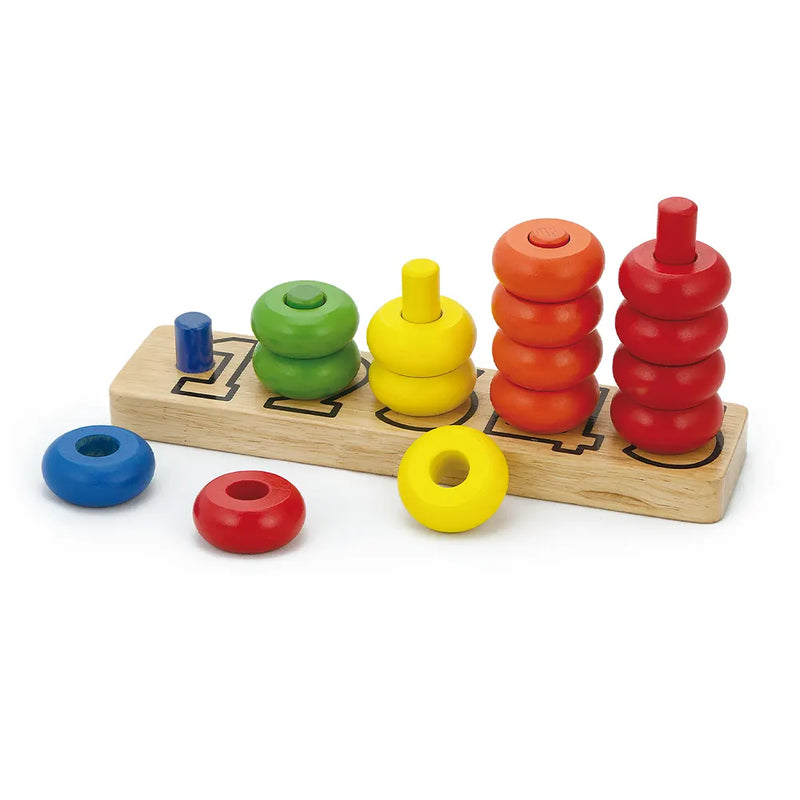
Montessori-inspired Games: Self-correcting material where the child associates a quantity (objects, holes) with the corresponding numerical symbol.
-
Pre-writing Boards: Supports with grooves to learn the correct tracing of each number using a stylus.
Tips for supporting your child
To ensure that learning mathematics remains a game (l3ab), here are some recommendations for parents:
- Never force learning. Present the toy, show how it works, and then let the child explore it at their own pace.
- Integrate counting into everyday life: count the stairs, the fruits in the basket, or the cars in the street.
- For puzzles, name the number out loud when the child picks it up, without demanding that they repeat it immediately.
- Use abacuses to illustrate simple stories ("There were 3 birds, 2 fly away, how many are left?").
- Keep educational games within the child's reach (on a low shelf) so they can access them independently whenever they want.
Frequently Asked Questions about Counting Games
At what age can my child start learning numbers?
Auditory familiarization (hearing counting) begins from birth. Visual association (recognizing the shape of the number "2") generally starts between 18 months and 2 years old thanks to inset puzzles. True counting (understanding that "3" corresponds to three objects) is often acquired between 3 and 4 years old.
Why choose wooden games for mathematics?
Wood offers a rich sensory experience. Its weight and texture help the child feel the "materiality" of quantities. For example, a size "5" block will be physically heavier and longer than a size "2" block, which helps the brain understand the notion of proportion.
What is an abacus and how is it used?
An abacus is a frame with rods on which beads slide. It is used for visual counting. For beginners, simply move the beads one by one from left to right. Later, it is used to perform additions and subtractions by grouping the beads into tens.
How to teach multiplication in a fun way?
For children aged 5-6 and up, tools like multiplication learning boards (where the answer is hidden on the back of a cube) transform this memorization exercise into an interactive guessing game, much more fun than reciting a list.
Are magnetic games safe for little ones?
Yes, the magnetic games in our selection comply with safety standards. The magnets are firmly integrated into the wood or thick plastic, making their ingestion impossible. However, the minimum indicated age (often 3 years) for this type of product must always be respected.
Most searched keywords
Here are the queries frequently used by parents in Morocco to find these learning tools:
- Educational mathematical game child Morocco
- Wooden abacus price MAD
- Montessori number puzzle
- Learning to count preschool
- Magnetic numbers for child fridge
- Wooden number tracing board
- Logic developmental games baby 2 years
- Fun multiplication table
- Buy educational wooden toy Casablanca
- Montessori mathematics material Morocco
Related searches / Lexical variants
To diversify your child's learning, you could also explore:
- Learning the alphabet and writing
- Shape and color sorting games
- Activity cubes and stacking
- Board games for memory
- Scientific discovery toys
- Time learning clocks
- Educational books and picture books
- Fine motor activities
By choosing a game from the Math & Counting collection on Wlidaty, you are giving your child a solid foundation for their school journey. Transform mathematics into a fun and stimulating child's play. Discover our selection and prepare them to count to the stars!